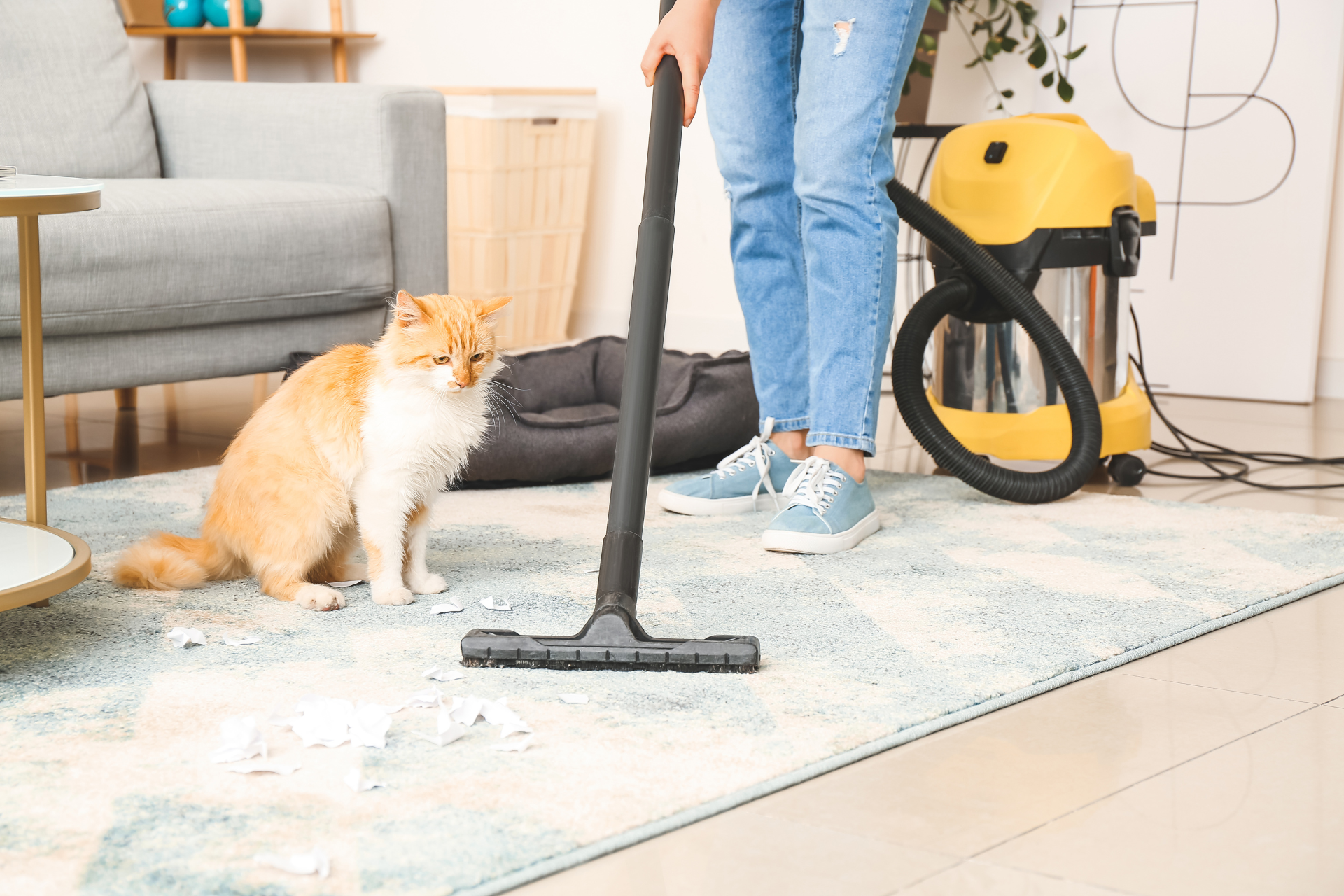
A pet accident can look like a small spot on the carpet, but the odor and residue can spread well beyond what you can see. Eco friendly carpet cleaning safe for pets is about more than choosing a product with a green label. It means using an appropriate cleaning method, removing the source of the problem, and leaving carpet clean without harsh residues that can affect the animals and people who spend time on it. For families in Sylmar and across the San Fernando Valley, this matters because pets live close to the floor. They nap on carpet, lick their paws after walking across it, and can be sensitive to strong fragrances or leftover cleaning chemicals. A professional approach should protect the carpet, address the soil below the surface, and support a fresher home without taking unnecessary shortcut Eco-Friendly Carpet Cleaning Safe for Pets: What It Means Pet-safe cleaning is not simply about using less product. The right process begins with identifying the carpet fiber, the type of stain, the level of odor, and whether the contamination reached the padding or subfloor. A mild solution alone may not solve a urine odor that has soaked below the carpet, while an overly aggressive chemical can leave residue or damage delicate fibers. Non-Toxic Products Are Only Part of the Job A responsible cleaning solution should be selected for the surface and used at the proper dilution. Non-toxic, eco-friendly products can help reduce harsh chemical exposure and unnecessary fumes, but application matters just as much as the ingredient list. Too much solution, incomplete rinsing, or excess moisture can leave carpet feeling sticky, attract new soil, or create a longer drying period. Professional hot-water extraction is often a strong choice for pet households because it uses controlled heat, cleaning agents, agitation, and extraction to lift embedded dirt, dander, allergens, and residues. The goal is not to soak the carpet. It is to flush out the soil and recover as much moisture as possible so the carpet dries properly. Fragrance Is Not Proof of Cleanliness A heavily perfumed carpet may smell pleasant for a day, but fragrance can cover an odor rather than remove its cause. This is especially frustrating with pet urine, where crystals and bacteria can reactivate when humidity rises. A cleaner home should smell neutral and fresh, not like a strong deodorizer. When odor is present, the cleaning plan may include a targeted treatment designed to break down the source before extraction. Results depend on how old the stain is, how often the area has been used, and whether moisture reached the padding. In severe cases, a professional inspection may reveal that carpet cleaning alone cannot fully correct the problem. Honest recommendations are better than promising a quick fix that will not last. Why Pet Stains Need More Than Surface Cleaning Pets bring more than visible paw prints into the home. Dander, oils, hair, tracked-in soil, saliva, and occasional accidents settle into carpet over time. High-traffic areas near doors, pet beds, couches, and feeding stations often hold the most buildup. Store-bought spot cleaners can be useful for immediate blotting, especially when an accident is fresh. However, scrubbing can push the stain deeper, spread it outward, or roughen carpet fibers. Steam machines rented from a store may also leave too much moisture behind if they do not have enough extraction power or if the user applies too much solution. For a recurring stain or lingering odor, professional cleaning provides a more complete approach. The technician can inspect the affected area, determine whether a spot treatment is needed, perform deep extraction, and check the results before leaving. That process is particularly valuable for renters preparing for an inspection, homeowners selling a property, and property managers turning over a pet-friendly unit. How to Choose a Pet-Safe Carpet Cleaning Service The safest choice is a company that explains its method clearly instead of relying on broad claims. Ask what products will be used, how the carpet will be rinsed, and what the expected drying time is. A qualified cleaner should also ask about your carpet type, the age of the stains, pets in the home, and any sensitivities you are concerned about. Look for these practical signs of a careful service provider: A pre-cleaning inspection that identifies stains, traffic patterns, fiber concerns, and odor areas. Cleaning products selected for the carpet and applied at the correct dilution. Professional extraction equipment that removes soil and moisture instead of leaving carpet overly wet. Clear guidance on drying, reentry, and when pets can safely return to the cleaned areas. IICRC certification is another useful indicator. It shows that a cleaning professional has training in recognized cleaning and restoration standards, including how to assess materials and use appropriate cleaning methods. That experience can make a meaningful difference when a carpet has stubborn pet odor, old stains, or delicate fibers. What to Expect During a Pet-Safe Cleaning Appointment A thorough appointment should start with an inspection, not immediate cleaning. The technician should walk through the rooms, identify problem areas, discuss realistic expectations, and explain the planned treatment. This is the time to point out accident locations, rooms where pets spend most of their time, and any prior cleaning products that have already been used. Next comes the professional cleaning process. Depending on the condition of the carpet, this may include pre-treatment for traffic soil or pet spots, focused odor treatment, agitation where appropriate, and hot-water extraction. The equipment removes loosened dirt and cleaning solution from deep in the carpet, helping reduce residue and improve the overall appearance. A final walkthrough matters. At JM Carpet Cleaning, the goal is to review the completed work with the customer, address any remaining concerns, and make sure the results are visible before the job is complete. For pet households, this is also the right time to get simple drying instructions and ask about protecting recently cleaned areas. Keeping Carpet Cleaner Between Professional Visits You do not need a cabinet full of specialty products to maintain a pet-friendly home. Blot fresh accidents quickly with clean white towels, working from the outside of the spot toward the center. Avoid rubbing, which can spread the stain and force moisture into the backing. Vacuuming regularly is equally important. Pet hair, dander, and dry soil become more difficult to remove once they are walked into the carpet. Place mats near entryways, wipe paws after outdoor walks, and wash pet bedding often to reduce the oils and debris that transfer to surrounding carpet. If an odor returns after cleaning, do not keep layering fragrance over it. Contact a qualified professional for an inspection. The cause may be deeper than the carpet surface, and treating it correctly early can help prevent a larger restoration issue later. A clean carpet should give your pets a comfortable place to rest and give your household confidence that the floor is truly fresh. With the right products, controlled extraction, and a careful final check, pet-safe cleaning can deliver results you can see and live with comfortably.
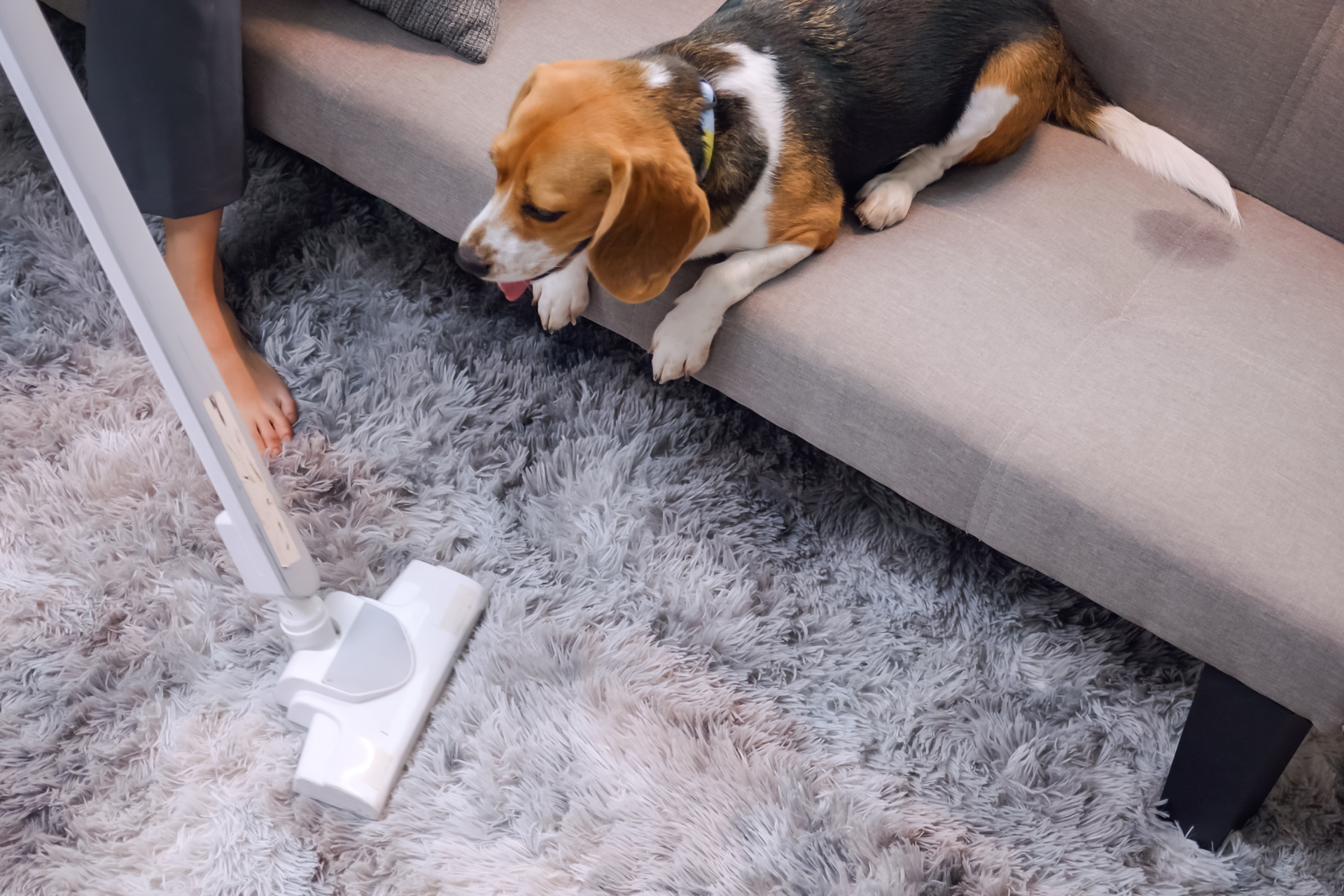
A pet accident can look like a small spot on the carpet, but the odor and residue can spread well beyond what you can see. Eco friendly carpet cleaning safe for pets is about more than choosing a product with a green label. It means using an appropriate cleaning method, removing the source of the problem, and leaving carpet clean without harsh residues that can affect the animals and people who spend time on it. For families in Sylmar and across the San Fernando Valley, this matters because pets live close to the floor. They nap on carpet, lick their paws after walking across it, and can be sensitive to strong fragrances or leftover cleaning chemicals. A professional approach should protect the carpet, address the soil below the surface, and support a fresher home without taking unnecessary shortcut Eco-Friendly Carpet Cleaning Safe for Pets: What It Means Pet-safe cleaning is not simply about using less product. The right process begins with identifying the carpet fiber, the type of stain, the level of odor, and whether the contamination reached the padding or subfloor. A mild solution alone may not solve a urine odor that has soaked below the carpet, while an overly aggressive chemical can leave residue or damage delicate fibers. Non-Toxic Products Are Only Part of the Job A responsible cleaning solution should be selected for the surface and used at the proper dilution. Non-toxic, eco-friendly products can help reduce harsh chemical exposure and unnecessary fumes, but application matters just as much as the ingredient list. Too much solution, incomplete rinsing, or excess moisture can leave carpet feeling sticky, attract new soil, or create a longer drying period. Professional hot-water extraction is often a strong choice for pet households because it uses controlled heat, cleaning agents, agitation, and extraction to lift embedded dirt, dander, allergens, and residues. The goal is not to soak the carpet. It is to flush out the soil and recover as much moisture as possible so the carpet dries properly. Fragrance Is Not Proof of Cleanliness A heavily perfumed carpet may smell pleasant for a day, but fragrance can cover an odor rather than remove its cause. This is especially frustrating with pet urine, where crystals and bacteria can reactivate when humidity rises. A cleaner home should smell neutral and fresh, not like a strong deodorizer. When odor is present, the cleaning plan may include a targeted treatment designed to break down the source before extraction. Results depend on how old the stain is, how often the area has been used, and whether moisture reached the padding. In severe cases, a professional inspection may reveal that carpet cleaning alone cannot fully correct the problem. Honest recommendations are better than promising a quick fix that will not last. Why Pet Stains Need More Than Surface Cleaning Pets bring more than visible paw prints into the home. Dander, oils, hair, tracked-in soil, saliva, and occasional accidents settle into carpet over time. High-traffic areas near doors, pet beds, couches, and feeding stations often hold the most buildup. Store-bought spot cleaners can be useful for immediate blotting, especially when an accident is fresh. However, scrubbing can push the stain deeper, spread it outward, or roughen carpet fibers. Steam machines rented from a store may also leave too much moisture behind if they do not have enough extraction power or if the user applies too much solution. For a recurring stain or lingering odor, professional cleaning provides a more complete approach. The technician can inspect the affected area, determine whether a spot treatment is needed, perform deep extraction, and check the results before leaving. That process is particularly valuable for renters preparing for an inspection, homeowners selling a property, and property managers turning over a pet-friendly unit. How to Choose a Pet-Safe Carpet Cleaning Service The safest choice is a company that explains its method clearly instead of relying on broad claims. Ask what products will be used, how the carpet will be rinsed, and what the expected drying time is. A qualified cleaner should also ask about your carpet type, the age of the stains, pets in the home, and any sensitivities you are concerned about. Look for these practical signs of a careful service provider: A pre-cleaning inspection that identifies stains, traffic patterns, fiber concerns, and odor areas. Cleaning products selected for the carpet and applied at the correct dilution. Professional extraction equipment that removes soil and moisture instead of leaving carpet overly wet. Clear guidance on drying, reentry, and when pets can safely return to the cleaned areas. IICRC certification is another useful indicator. It shows that a cleaning professional has training in recognized cleaning and restoration standards, including how to assess materials and use appropriate cleaning methods. That experience can make a meaningful difference when a carpet has stubborn pet odor, old stains, or delicate fibers. What to Expect During a Pet-Safe Cleaning Appointment A thorough appointment should start with an inspection, not immediate cleaning. The technician should walk through the rooms, identify problem areas, discuss realistic expectations, and explain the planned treatment. This is the time to point out accident locations, rooms where pets spend most of their time, and any prior cleaning products that have already been used. Next comes the professional cleaning process. Depending on the condition of the carpet, this may include pre-treatment for traffic soil or pet spots, focused odor treatment, agitation where appropriate, and hot-water extraction. The equipment removes loosened dirt and cleaning solution from deep in the carpet, helping reduce residue and improve the overall appearance. A final walkthrough matters. At JM Carpet Cleaning, the goal is to review the completed work with the customer, address any remaining concerns, and make sure the results are visible before the job is complete. For pet households, this is also the right time to get simple drying instructions and ask about protecting recently cleaned areas. Keeping Carpet Cleaner Between Professional Visits You do not need a cabinet full of specialty products to maintain a pet-friendly home. Blot fresh accidents quickly with clean white towels, working from the outside of the spot toward the center. Avoid rubbing, which can spread the stain and force moisture into the backing. Vacuuming regularly is equally important. Pet hair, dander, and dry soil become more difficult to remove once they are walked into the carpet. Place mats near entryways, wipe paws after outdoor walks, and wash pet bedding often to reduce the oils and debris that transfer to surrounding carpet. If an odor returns after cleaning, do not keep layering fragrance over it. Contact a qualified professional for an inspection. The cause may be deeper than the carpet surface, and treating it correctly early can help prevent a larger restoration issue later. A clean carpet should give your pets a comfortable place to rest and give your household confidence that the floor is truly fresh. With the right products, controlled extraction, and a careful final check, pet-safe cleaning can deliver results you can see and live with comfortably.
A tipped glass can turn a clean living room, rental unit, office, or dining area into an urgent cleanup job in seconds. Red wine carpet stain removal is most successful when you act quickly, avoid spreading the spill, and use a method that fits the carpet fiber and backing. The goal is not to scrub the color out. It is to lift as much liquid as possible, treat the remaining dye safely, and fully dry the area so it does not develop an odor or reappear later. What to Do Immediately After a Red Wine Spill Start by removing any solid debris, then place a clean white towel or plain white paper towels over the spill. Press down firmly and lift straight up. Repeat with dry sections of the towel until it is no longer pulling up much wine. Work from the outside edge toward the center to keep the stain from traveling farther into the carpet. Do not rub, brush, or grind the spill into the fibers. Friction can push red wine deeper into the pile, spread the stain, and damage the carpet texture. Avoid colored towels as well, since their dye can transfer to wet carpet. Once you have blotted the excess liquid, lightly dampen the area with cool water and blot again. Use only enough water to loosen the remaining residue. Saturating carpet can send wine into the backing and pad, where it may create a larger hidden stain or leave a lingering odor. If the spill is large, has reached the carpet pad, or occurred on a valuable wool or specialty rug, skip aggressive home remedies. Blot what you can and arrange professional service as soon as possible. Red Wine Carpet Stain Removal: What Works and What Can Make It Worse Red wine contains natural pigments called tannins. Those pigments can bind to carpet fibers, especially when the spill sits for hours, dries, or is exposed to heat. A treatment that works on one synthetic carpet may discolor or weaken another material, which is why fiber identification matters. For many common synthetic residential carpets, a small amount of a carpet-safe spot treatment may help after blotting. Always test it first in a hidden area and follow the product directions exactly. Apply the cleaner to a white cloth rather than pouring a heavy amount directly on the carpet. Blot gently, then use a separate damp cloth to remove cleaner residue. Several popular DIY methods carry risks. Salt may absorb surface moisture, but it does not reliably remove the red dye and can leave gritty residue behind. Dish soap can create foam that is difficult to rinse from carpet. Vinegar may not be appropriate for every fiber or dye type. Hydrogen peroxide can lighten the wine stain, but it can also bleach carpet color, especially on darker carpet, wool, and certain area rugs. Heat is another problem. Do not use hot water, a hair dryer, or a steam machine on a fresh wine stain unless you know the carpet manufacturer approves that approach. Heat can set the color and make removal more difficult. Treat the Carpet Type, Not Just the Stain A nylon or polyester carpet often responds differently than wool, olefin, triexta, or a blended fiber. Wool and other natural fibers require particular care because their color, texture, and pH tolerance can be affected by household chemicals. Patterned carpet, handwoven rugs, and carpets with unknown dyes also need a careful test before treatment. The carpet's construction matters too. A spill on low-pile office carpet may remain close to the surface, while wine in a plush bedroom carpet can spread down through the fibers. If the stain has reached the pad, surface cleaning alone may improve the appearance without fully removing the source of the problem. When a Wine Stain Needs Professional Cleaning A professional cleaning is often the better choice when the stain is old, large, dried, or already treated with multiple products. It is also recommended when wine has soaked into the padding, the carpet has a strong odor, or the spill occurred in a high-visibility area such as a lobby, conference room, rental turnover, or main living space. Repeated home treatments can leave detergent, soap, or powder in the carpet. That residue attracts soil after the area dries, creating a dull spot that can look like the original stain returning. Professionals can inspect the carpet, identify likely fiber and dye concerns, and choose a targeted stain treatment before extracting remaining residue. At JM Carpet Cleaning, the process begins with an inspection of the affected area and surrounding carpet. A trained technician assesses the stain, fiber condition, and level of penetration before selecting an appropriate cleaning approach. Professional hot water extraction can remove embedded soil and cleaning residue while helping refresh the surrounding carpet for a more even appearance. Results depend on several factors, including how long the wine sat, the carpet material, previous DIY products, and whether the dye has permanently altered the fibers. An experienced cleaner should be straightforward about those variables rather than promise that every stain will disappear. Even when complete removal is not possible, professional treatment can often reduce the stain's visibility, address residue, and improve the overall look of the room. A Careful Process Helps Prevent Rings and Odors One reason red wine stains can be frustrating is that they may look better while wet and become more noticeable as the carpet dries. This can happen when dissolved pigment or residue moves outward during drying, leaving a ring around the original spill. Over-wetting can make that issue worse. After spot treatment, blot the area with a clean dry towel and allow it to dry with normal airflow. Keep foot traffic and pets off the damp carpet. If possible, use a fan nearby, but do not blast heat directly onto the fibers. Once dry, inspect the carpet in normal room lighting rather than judging the result only while it is wet. If an odor remains, that is a sign that moisture or residue may still be below the surface. This is especially common when wine mixed with food, cream, juice, or other ingredients. Deodorizing the surface without removing the source may only mask the problem for a short time. For Renters, Landlords, and Property Managers Document the spill with a quick photo before attempting major treatment, particularly in a rental property or commercial setting. Then focus on blotting and limiting spread. Trying several strong products in succession can create a more complicated restoration issue and may affect a security-deposit discussion or move-out inspection. For apartment turns and managed properties, it is often more efficient to have the stained area evaluated along with traffic lanes, pet spots, and other visible carpet concerns. A coordinated cleaning visit can produce a more consistent result than treating one small stain while leaving the rest of the carpet visibly soiled. How to Be Ready for the Next Spill Keep clean white towels available in the kitchen, dining area, or entertainment space. The best first response is simple: blot, use a small amount of cool water if needed, blot again, and avoid rubbing. Fast action reduces the amount of pigment that settles into the carpet. For homes with light carpet, children, pets, or frequent gatherings, scheduled professional cleaning can help manage the everyday buildup that makes isolated stains stand out. Clean carpet also makes it easier to identify and treat new spills before they become permanent-looking spots. A wine spill does not have to define the room. With calm, careful first steps and qualified help when the stain calls for it, your carpet can have the best possible chance of looking clean, fresh, and ready for daily life again.
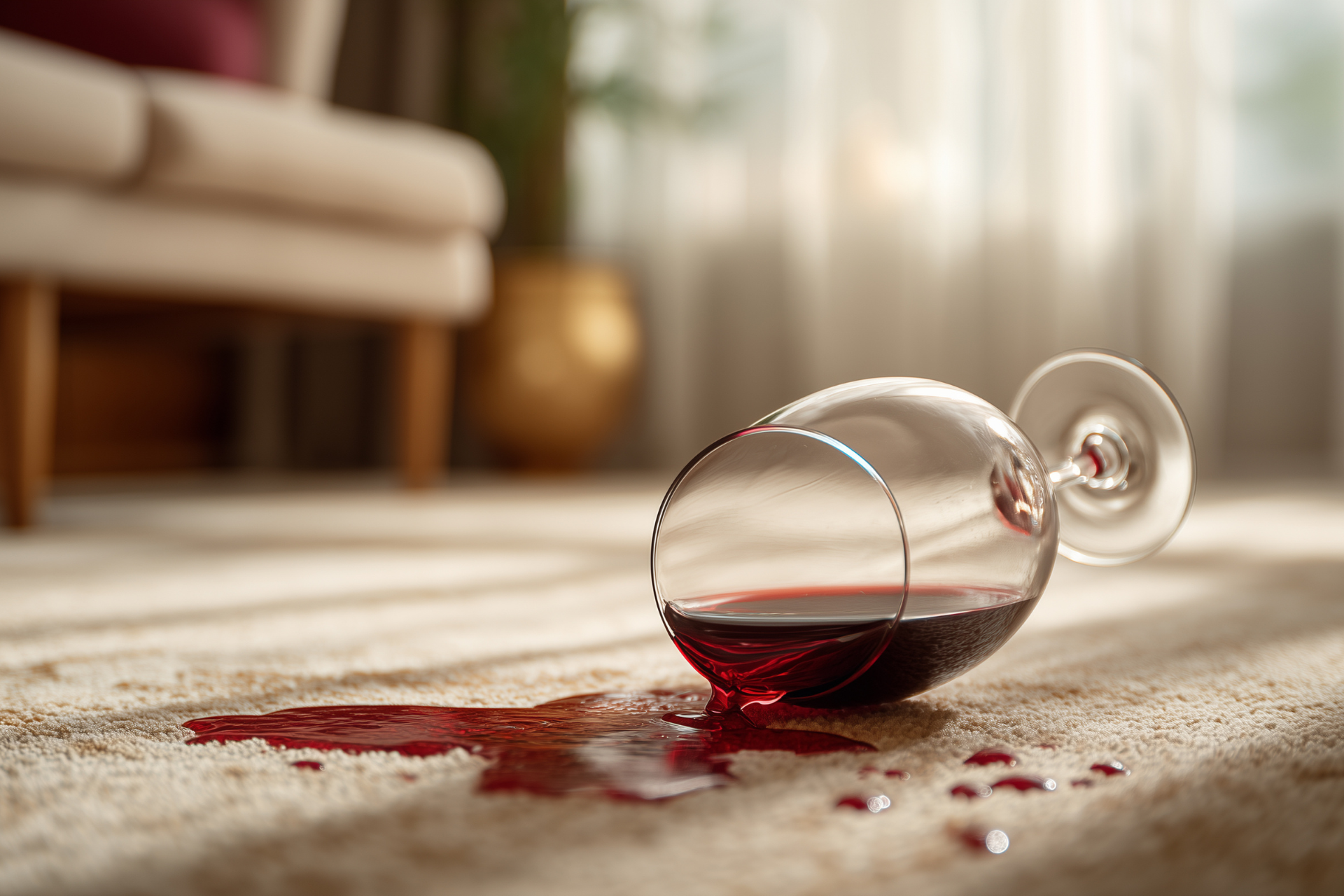
A tipped glass can turn a clean living room, rental unit, office, or dining area into an urgent cleanup job in seconds. Red wine carpet stain removal is most successful when you act quickly, avoid spreading the spill, and use a method that fits the carpet fiber and backing. The goal is not to scrub the color out. It is to lift as much liquid as possible, treat the remaining dye safely, and fully dry the area so it does not develop an odor or reappear later. What to Do Immediately After a Red Wine Spill Start by removing any solid debris, then place a clean white towel or plain white paper towels over the spill. Press down firmly and lift straight up. Repeat with dry sections of the towel until it is no longer pulling up much wine. Work from the outside edge toward the center to keep the stain from traveling farther into the carpet. Do not rub, brush, or grind the spill into the fibers. Friction can push red wine deeper into the pile, spread the stain, and damage the carpet texture. Avoid colored towels as well, since their dye can transfer to wet carpet. Once you have blotted the excess liquid, lightly dampen the area with cool water and blot again. Use only enough water to loosen the remaining residue. Saturating carpet can send wine into the backing and pad, where it may create a larger hidden stain or leave a lingering odor. If the spill is large, has reached the carpet pad, or occurred on a valuable wool or specialty rug, skip aggressive home remedies. Blot what you can and arrange professional service as soon as possible. Red Wine Carpet Stain Removal: What Works and What Can Make It Worse Red wine contains natural pigments called tannins. Those pigments can bind to carpet fibers, especially when the spill sits for hours, dries, or is exposed to heat. A treatment that works on one synthetic carpet may discolor or weaken another material, which is why fiber identification matters. For many common synthetic residential carpets, a small amount of a carpet-safe spot treatment may help after blotting. Always test it first in a hidden area and follow the product directions exactly. Apply the cleaner to a white cloth rather than pouring a heavy amount directly on the carpet. Blot gently, then use a separate damp cloth to remove cleaner residue. Several popular DIY methods carry risks. Salt may absorb surface moisture, but it does not reliably remove the red dye and can leave gritty residue behind. Dish soap can create foam that is difficult to rinse from carpet. Vinegar may not be appropriate for every fiber or dye type. Hydrogen peroxide can lighten the wine stain, but it can also bleach carpet color, especially on darker carpet, wool, and certain area rugs. Heat is another problem. Do not use hot water, a hair dryer, or a steam machine on a fresh wine stain unless you know the carpet manufacturer approves that approach. Heat can set the color and make removal more difficult. Treat the Carpet Type, Not Just the Stain A nylon or polyester carpet often responds differently than wool, olefin, triexta, or a blended fiber. Wool and other natural fibers require particular care because their color, texture, and pH tolerance can be affected by household chemicals. Patterned carpet, handwoven rugs, and carpets with unknown dyes also need a careful test before treatment. The carpet's construction matters too. A spill on low-pile office carpet may remain close to the surface, while wine in a plush bedroom carpet can spread down through the fibers. If the stain has reached the pad, surface cleaning alone may improve the appearance without fully removing the source of the problem. When a Wine Stain Needs Professional Cleaning A professional cleaning is often the better choice when the stain is old, large, dried, or already treated with multiple products. It is also recommended when wine has soaked into the padding, the carpet has a strong odor, or the spill occurred in a high-visibility area such as a lobby, conference room, rental turnover, or main living space. Repeated home treatments can leave detergent, soap, or powder in the carpet. That residue attracts soil after the area dries, creating a dull spot that can look like the original stain returning. Professionals can inspect the carpet, identify likely fiber and dye concerns, and choose a targeted stain treatment before extracting remaining residue. At JM Carpet Cleaning, the process begins with an inspection of the affected area and surrounding carpet. A trained technician assesses the stain, fiber condition, and level of penetration before selecting an appropriate cleaning approach. Professional hot water extraction can remove embedded soil and cleaning residue while helping refresh the surrounding carpet for a more even appearance. Results depend on several factors, including how long the wine sat, the carpet material, previous DIY products, and whether the dye has permanently altered the fibers. An experienced cleaner should be straightforward about those variables rather than promise that every stain will disappear. Even when complete removal is not possible, professional treatment can often reduce the stain's visibility, address residue, and improve the overall look of the room. A Careful Process Helps Prevent Rings and Odors One reason red wine stains can be frustrating is that they may look better while wet and become more noticeable as the carpet dries. This can happen when dissolved pigment or residue moves outward during drying, leaving a ring around the original spill. Over-wetting can make that issue worse. After spot treatment, blot the area with a clean dry towel and allow it to dry with normal airflow. Keep foot traffic and pets off the damp carpet. If possible, use a fan nearby, but do not blast heat directly onto the fibers. Once dry, inspect the carpet in normal room lighting rather than judging the result only while it is wet. If an odor remains, that is a sign that moisture or residue may still be below the surface. This is especially common when wine mixed with food, cream, juice, or other ingredients. Deodorizing the surface without removing the source may only mask the problem for a short time. For Renters, Landlords, and Property Managers Document the spill with a quick photo before attempting major treatment, particularly in a rental property or commercial setting. Then focus on blotting and limiting spread. Trying several strong products in succession can create a more complicated restoration issue and may affect a security-deposit discussion or move-out inspection. For apartment turns and managed properties, it is often more efficient to have the stained area evaluated along with traffic lanes, pet spots, and other visible carpet concerns. A coordinated cleaning visit can produce a more consistent result than treating one small stain while leaving the rest of the carpet visibly soiled. How to Be Ready for the Next Spill Keep clean white towels available in the kitchen, dining area, or entertainment space. The best first response is simple: blot, use a small amount of cool water if needed, blot again, and avoid rubbing. Fast action reduces the amount of pigment that settles into the carpet. For homes with light carpet, children, pets, or frequent gatherings, scheduled professional cleaning can help manage the everyday buildup that makes isolated stains stand out. Clean carpet also makes it easier to identify and treat new spills before they become permanent-looking spots. A wine spill does not have to define the room. With calm, careful first steps and qualified help when the stain calls for it, your carpet can have the best possible chance of looking clean, fresh, and ready for daily life again.
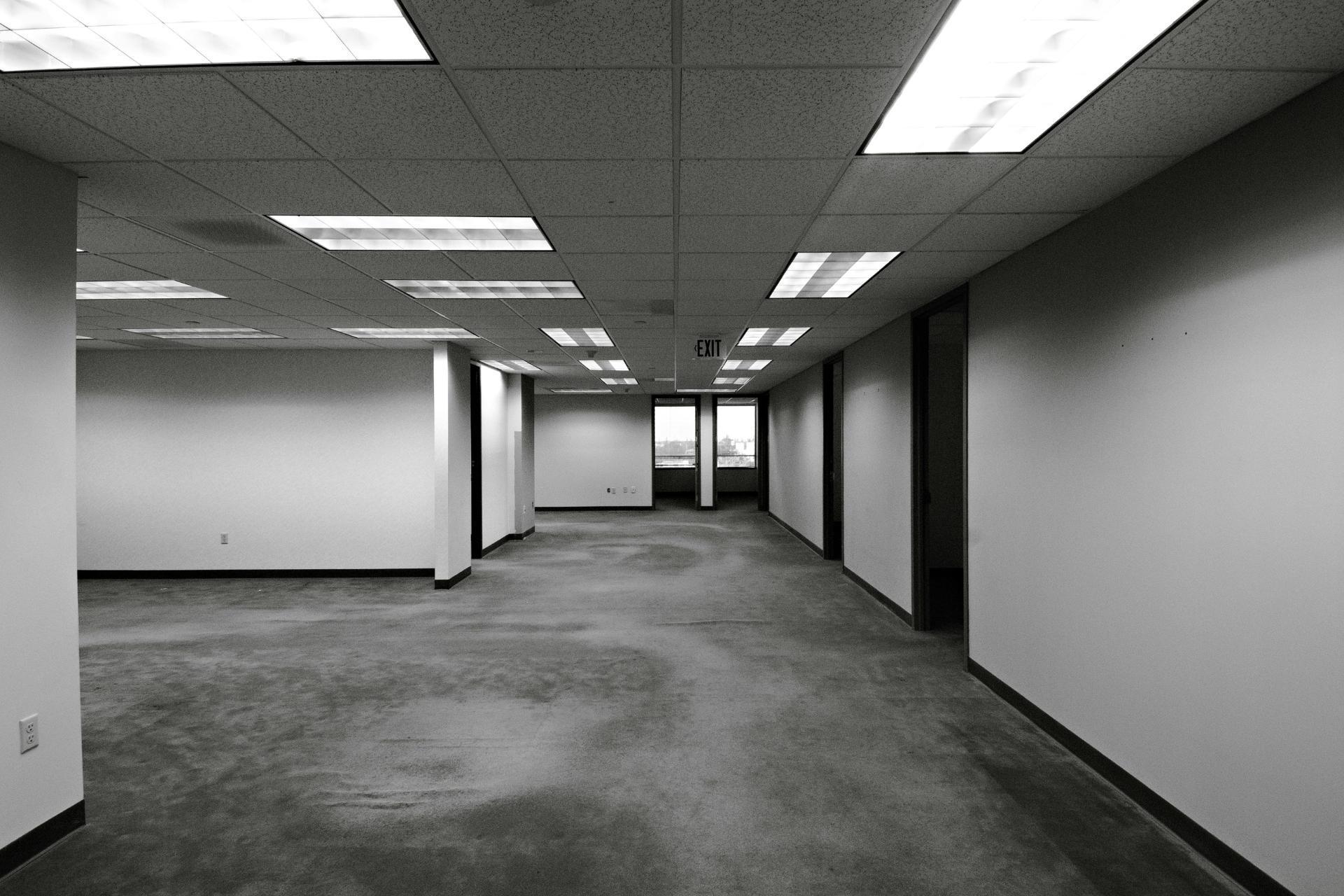
A hallway can look dirty again just days after vacuuming, even when the rest of the room still looks fine. That is because carpet cleaning high traffic areas is not simply about removing visible spots. It is about lifting the packed-in soil, body oils, pet dander, food particles, and residue that work their way down into the carpet fibers with every step. For homes and businesses across the San Fernando Valley, traffic lanes are often the first part of a carpet to show wear. Entryways, stairs, living room paths, office corridors, waiting areas, and retail aisles all take repeated pressure. With the right care, these areas can look cleaner, feel fresher, and hold up better between professional appointments. Why High Traffic Areas Get Dirty So Quickly Carpet acts like a filter. Dust, soil, pollen, oils, and tiny particles settle into the fibers instead of remaining on the surface. In a low-use guest room, that buildup may be gradual. In a path from the front door to the kitchen or from an office entrance to a workstation, the same soil is pressed deeper into the carpet all day long. Shoes bring in dry dirt, sand, asphalt residue, and moisture from outdoors. Bare feet and socks transfer natural body oils. Pets add hair, dander, and occasional accidents. In commercial settings, foot traffic can also carry in grease, food debris, and contaminants from sidewalks and parking areas. Over time, those particles can create gray or dark traffic lanes. Many people assume the carpet is permanently discolored, but the issue is often embedded soil and oily residue. Cleaning can improve the appearance significantly when the fibers have not been physically worn down. If the carpet pile is crushed or damaged from years of use, cleaning still removes soil, though it cannot fully restore the original texture. Signs Your Carpet Needs More Than Vacuuming Regular vacuuming is essential, but it has limits. A vacuum removes loose and dry debris near the surface. It does not always pull out the sticky oils and compacted soil that bind particles to carpet fibers. Consider professional cleaning when a walkway looks darker than the surrounding carpet, feels stiff or matted, or develops a persistent odor. Other signs include recurring spots after cleaning , visible lines leading from doors or through common rooms, and increased allergy irritation inside the space. In a business, dull or stained entry carpet can also affect the first impression customers, tenants, or visitors have of the property. A carpet can look clean at a glance while holding substantial soil below the surface. This is especially common in beige, gray, and patterned carpet, where buildup is less obvious until a section is professionally cleaned and the contrast becomes clear. The Right Approach to Carpet Cleaning High Traffic Areas Effective cleaning begins with an inspection, not a one-size-fits-all treatment. Carpet type, fiber condition, stain history, pet activity, and prior cleaning products all affect the process. Wool, delicate natural fibers, older carpet, and heavily stained synthetic carpet may require different solutions and techniques. 1. Inspect the carpet and identify problem areas A professional should look closely at traffic lanes, entry points, stains, odor sources, and areas with heavy furniture. This helps determine whether the problem is surface soil, embedded grime, pet contamination, food or beverage staining, or permanent fiber wear. Inspection also helps avoid problems caused by improper cleaning. Over-wetting, using the wrong chemical, or aggressively scrubbing a delicate fiber can leave a carpet looking worse. A qualified cleaner selects the appropriate process for the material and condition of the carpet. 2. Treat oils, stains, and heavy soil before extraction Traffic lanes usually need more than a quick pass with a machine. Pre-treatment helps loosen oily residue and soil trapped around the fibers. Spots may need individual treatment based on what caused them. Coffee, wine, pet accidents, ink, grease, and tracked-in dirt do not all respond to the same solution. This step is one reason professional results often last longer than a rental machine result. Rental equipment can be useful for a small, fresh spill, but it may not have the heat, suction, or treatment options needed for established traffic patterns. It can also leave behind excess moisture or cleaning residue if it is not used carefully. 3. Use professional hot water extraction Hot water extraction , often called steam cleaning, uses heated water and professional cleaning solutions to flush soil from carpet fibers while powerful extraction removes the moisture and loosened debris. The goal is not to soak the carpet. The goal is to rinse thoroughly and leave the carpet as clean and dry as practical for its condition. For high traffic carpet, this method can remove deep grime that ordinary vacuuming cannot reach. Proper extraction also helps reduce odors and allergens held in the carpet. Drying time varies based on humidity, carpet thickness, airflow, and how heavily the carpet was soiled. Good ventilation and air movement can help the carpet dry sooner. 4. Review the results before the job is complete A final walkthrough matters, particularly in busy homes, rentals, and commercial spaces. It gives the customer a chance to review traffic lanes, treated stains, and any areas that need additional attention. It also allows the cleaner to explain realistic expectations when a stain has permanently altered the fiber or when worn carpet cannot return to a like-new appearance. JM Carpet Cleaning follows an inspection-to-walkthrough process because clear expectations and visible results should go together. Honest service includes identifying what can be improved, what may be permanent, and how to protect the cleaned carpet afterward. How Often Should High Traffic Carpet Be Cleaned? There is no single schedule for every property. A quiet household without pets may need professional cleaning every 12 to 18 months. A home with children, pets, frequent visitors, or light-colored carpet may benefit from service every 6 to 12 months, especially in entryways, family rooms, and stairs. Commercial spaces generally need more frequent attention. Offices, apartment common areas, restaurants, retail stores, schools, and medical offices can develop noticeable traffic lanes quickly. Some benefit from quarterly maintenance, while others need targeted cleaning monthly or every few months. The right interval depends on foot traffic, weather exposure, flooring color, and the standard of appearance the business needs to maintain. Waiting until carpet looks very dark is usually more costly than maintaining it on a regular schedule. Soil becomes more compacted over time, and constant abrasion can wear fibers down faster. Simple Habits That Help Results Last Professional cleaning does the heavy work, but a few practical habits protect the carpet between appointments. Vacuuming high-use paths two or three times a week can remove dry soil before it gets ground in. Entry mats at exterior doors reduce the amount of debris tracked inside, and cleaning those mats regularly keeps them effective. Address spills quickly by blotting with a clean white towel rather than rubbing. Rubbing pushes a spill deeper and can spread it outward. Avoid pouring large amounts of store-bought cleaner onto the carpet, since leftover residue can attract more soil and make the same spot look dirty again. In commercial spaces, consider placing durable mats at entrances and setting a regular cleaning plan for corridors, reception areas, and employee break rooms. Targeted maintenance is often more practical than waiting for every carpeted area to need a full restoration cleaning at once. When Replacement May Be the Better Choice Cleaning is highly effective for soil, odors, and many stains, but it cannot reverse every form of damage. Carpet may be near the end of its useful life if the fibers are frayed, the backing is failing, there is extensive pet contamination below the surface, or the pile is permanently crushed throughout major walkways. Even then, professional cleaning may still be worthwhile before a move-out inspection, property showing, tenant turnover, or replacement project. A cleaner carpet can improve the condition of the space, reduce odors, and make it easier to evaluate what truly needs to be replaced. High traffic areas do not have to make an entire room feel neglected. Consistent vacuuming, quick spill response, and professional hot water extraction when buildup takes hold can keep the paths your family, customers, and employees use most looking cared for and ready for the next day.
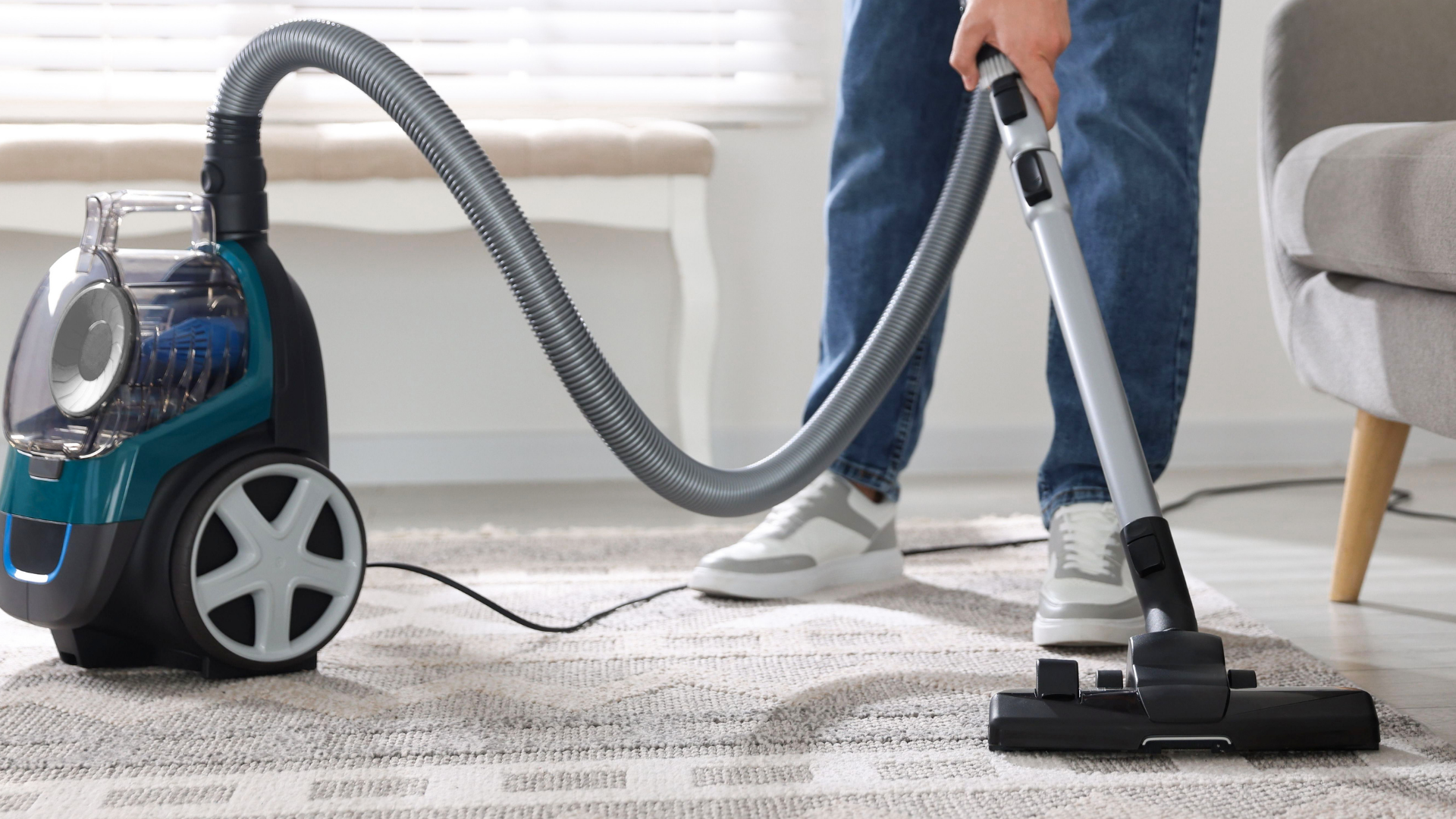
At 5:30 p.m., an office can look very different than it did at 9:00 a.m. Coffee spots show up around desks, entryways hold tracked-in soil, and traffic lanes become more visible once chairs are pushed aside. After hours office carpet cleaning gives businesses a practical way to address that buildup without asking employees, visitors, or customers to work around hoses, equipment, and damp carpet. For offices in Sylmar and throughout the San Fernando Valley, evening cleaning is often the most sensible option. It protects the workday, supports a cleaner professional environment, and allows the carpet time to dry before staff return. The key is choosing a company that can coordinate access, inspect the carpet properly, and leave the space clean, secure, and ready for the next morning. Why After Hours Office Carpet Cleaning Makes Sense Office carpet handles more than most people realize. It collects dust, allergens, body oils, food crumbs, soil from shoes, and spills from daily routines. In a busy workplace, these materials do not stay on the surface. They settle into carpet fibers, especially near entrances, hallways, workstations, conference rooms, break rooms, and reception areas. Cleaning during business hours can interrupt phone calls, meetings, customer appointments, and employee concentration. Even a small office may have limited open space for equipment and drying time. Scheduling service after closing avoids many of those concerns. Your team can leave for the day, while a professional crew focuses on the areas that need attention. There is also a presentation benefit. A cleaner carpet helps the entire office feel more cared for, even when the furniture and layout have not changed. For businesses that welcome clients, patients, vendors, tenants, or prospective employees, the appearance of reception areas and walkways affects the first impression people take with them. What a Professional Evening Cleaning Visit Should Include A dependable commercial carpet service should not begin by immediately applying cleaning solution. Different carpet types, stain conditions, and traffic levels call for different approaches. A proper visit starts with an inspection of the office and a conversation about the areas that concern you most. Inspection and Clear Service Planning Before cleaning begins, the technician should identify traffic patterns, stains, odors, furniture placement, and any carpet concerns that may affect the process. This is the right time to point out recurring coffee spills, marks near desk chairs, pet-related odors in a home office, or heavily soiled entry carpet. For larger offices, the service plan may include cleaning open work areas one evening and conference rooms or private offices at another time. This can be helpful when a business has limited access hours or needs to keep certain operations running. There is no single schedule that works for every property, which is why clear planning matters. Targeted Pre-Treatment for Problem Areas Not every stain responds the same way. A beverage spill, grease near a break room, and dark soil buildup in a hallway require more than a quick surface pass. Professional pre-treatment helps loosen embedded soil and address spots before extraction. This step is especially valuable in high-traffic areas, where carpet can begin to look dull or gray even after routine vacuuming. Vacuuming removes loose debris, but it cannot fully remove the soil, oils, and residues that have worked down into the fibers. Addressing those materials helps restore a more even, refreshed appearance. Hot Water Extraction and Soil Removal For many commercial carpet settings , professional hot water extraction is an effective way to remove deep buildup. The process uses controlled cleaning solutions and hot water to lift soil from the carpet, then extracts the moisture and loosened debris with professional equipment. The goal is not to soak the carpet. Proper extraction removes as much moisture as possible while cleaning thoroughly. Drying time depends on carpet material, airflow, humidity, the amount of soil removed, and the condition of the carpet before service. Cleaning after hours gives the carpet more time to dry naturally, which is one reason it works well for office environments. Final Walkthrough Before the Crew Leaves A final walkthrough is a simple but important part of commercial service. The technician should review completed areas, check visible spots, and confirm that the work matches the agreed scope. It also gives the person responsible for the office an opportunity to raise questions before the job is considered complete. For an after-hours appointment, communication should be arranged in advance. Some businesses prefer an on-site manager at the beginning or end of the visit. Others provide access instructions and receive confirmation once the work is finished. Either approach can work when expectations are clear and the cleaning company follows documented access and security procedures. Preparing Your Office for Evening Carpet Cleaning A little preparation helps the cleaning visit stay efficient. Employees do not need to overhaul the office, but personal items, loose cables, and floor-level materials should be removed from the areas being cleaned. Paperwork, electronics, and valuables should be secured before the crew arrives. Furniture moving should also be discussed before scheduling. Some desks, cubicles, filing cabinets, and large conference tables may remain in place because of their weight, wiring, or configuration. A professional cleaner can clean accessible carpet around these items, then focus on open traffic lanes and exposed areas. If you are planning an office reconfiguration, moving furniture beforehand may allow for more complete carpet coverage. Be sure to provide any building access details, alarm procedures, parking information, elevator rules, and contact numbers needed for the appointment. This is particularly important in multi-tenant properties, medical offices, schools, and managed commercial buildings where access is controlled after normal hours. How Often Should an Office Carpet Be Professionally Cleaned? The right frequency depends on how the office is used. A small professional office with limited foot traffic may benefit from a deep cleaning once or twice a year. A busy medical office, retail space, school, property management office, or customer-facing business may need service more often. Consider scheduling cleaning when you notice darkened pathways, lingering odors, repeated spot treatments, visible stains, or carpet that looks flat despite regular vacuuming. Waiting until the carpet looks severely soiled can make restoration more difficult. Regular professional care helps remove buildup before it becomes deeply set and can support the useful life of the carpet. Between appointments, daily or frequent vacuuming remains one of the best ways to protect commercial carpet. Entry mats should be maintained, spills should be addressed promptly, and high-traffic areas deserve extra attention. These small habits do not replace deep cleaning, but they help keep the carpet looking better between services. Safety, Products, and Drying Considerations Office managers often ask whether cleaning products are appropriate for employees, customers, and sensitive indoor environments. The answer depends on the products and methods being used. Ask your provider what solutions they use, how they handle odors or stains, and what drying expectations apply to your carpet. JM Carpet Cleaning uses non-toxic, eco-friendly cleaning products along with professional hot water extraction methods. As an IICRC-certified local company, the team evaluates the carpet condition first rather than treating every office as if it has the same needs. That approach is especially useful when working around high-traffic areas, specialty carpet, recurring stains, and busy commercial schedules. Drying is also a practical safety issue. Even when a carpet feels mostly dry, it should be allowed adequate airflow before normal traffic resumes. Your cleaning provider may recommend adjusting the thermostat, running HVAC when appropriate, or keeping doors open inside the office to improve circulation. For most after-hours jobs, planning for overnight drying gives the office the best chance of being ready by morning. Choosing a Cleaning Company You Can Trust After Closing After-hours service requires more than cleaning skill. You need a company that arrives as scheduled, respects your building procedures, communicates clearly, and treats your workplace professionally. Transparent pricing and a defined scope of work help prevent surprises, particularly for larger offices or recurring maintenance plans. Ask whether the company is experienced with commercial carpet, whether technicians are trained to identify fiber and stain concerns, and how final results are reviewed. It is also reasonable to ask about equipment, products, estimated drying time, and what happens if a spot does not fully release. Honest answers matter more than unrealistic promises, because some stains may be permanent or may have changed the carpet color over time. A clean office should not require your team to lose a productive afternoon. With a planned evening appointment, proper extraction, and a careful final walkthrough, your carpet can receive the attention it needs while your business keeps moving. Set aside a few minutes to identify your busiest areas and access requirements before scheduling - that preparation can make the next morning feel noticeably cleaner.

A dining room can look clean at opening and still carry yesterday’s traffic patterns, food spills, and odors in the carpet. A professional restaurant carpet cleaning service addresses the buildup guests may not immediately identify but often notice: dark walkways, sticky spots near tables, lingering smells, and a worn appearance around entrances and service stations. For restaurant owners and managers, carpet care is more than a cosmetic task. Clean carpet supports a better guest experience, protects the flooring investment, and helps staff maintain a facility they can be proud to work in. The right cleaning plan also accounts for the reality of restaurant operations: limited downtime, furniture that must be moved carefully, and heavily used areas that need focused treatment. Why Restaurant Carpets Get Dirty Faster Restaurant carpet deals with a different type of soil than carpet in most offices or homes. Guests track in dirt, dust, moisture, and debris from parking lots and sidewalks. Staff travel the same routes repeatedly between the kitchen, dining room, host stand, restrooms, and storage areas. Over time, those paths become visibly darker because abrasive soil settles deep into the fibers. Food and beverage spills create another concern. Coffee, soda, wine, sauces, grease, and cooking-related odors can settle into carpet if they are not treated properly. A quick spot cleaner may improve the surface for the moment, but it can leave residue behind or push the spill deeper into the backing. Some store-bought products can also cause rapid resoiling when they are not fully removed. Carpet near entryways, booths, bars, and takeout counters often needs more attention than low-traffic corners. Treating every area exactly the same may not be the most efficient approach. A professional inspection helps identify where deep cleaning, stain treatment, deodorizing, or recurring maintenance will make the greatest difference. What a Restaurant Carpet Cleaning Service Should Address A dependable cleaning visit starts with more than running equipment across the floor. The technician should inspect the carpet type, identify traffic lanes, note stains and odor concerns, and look for conditions that may affect cleaning results. This helps set clear expectations before work begins, especially when stains are old or fibers have been permanently discolored. Professional hot water extraction is often a strong option for restaurant carpet because it flushes embedded soil, residue, and contaminants from the fibers. The process uses heated water and appropriate cleaning solutions, then extracts the loosened material with powerful equipment. When performed correctly, it can refresh the carpet without leaving excessive residue behind. Problem areas may need pre-treatment before extraction. Greasy spills, drink stains, tracked-in soil, and dark traffic patterns do not all respond to the same solution. The cleaning method should match the carpet material and the type of buildup present. This is particularly important in dining rooms where carpet may have a commercial backing, patterned design, or glue-down installation. A complete service can include attention to: Entrance mats and transition areas where outside soil collects Dining room traffic lanes around tables, booths, and host stands Spill-prone areas near beverage stations, bars, and takeout counters Carpeted hallways leading to restrooms, private rooms, or offices Odor-prone sections affected by food, moisture, or repeated spills The goal is not simply to make the carpet look temporarily brighter. It is to remove as much embedded soil and residue as the condition of the carpet allows, while protecting the fibers and supporting a cleaner environment for guests and staff. Scheduling Cleaning Around Restaurant Hours A restaurant cannot pause service for a cleaning appointment that runs into lunch or dinner. That is why scheduling matters as much as the cleaning method. Many restaurants prefer early morning, late evening, or closed-day appointments so the work can be completed with minimal disruption. Drying time should be part of the conversation. Hot water extraction does not mean the carpet should remain wet for an extended period, but actual drying time depends on carpet type, soil level, humidity, ventilation, and how heavily the carpet was cleaned. Good airflow and adequate time before reopening help the carpet dry properly and reduce the chance of guests walking on damp areas. Furniture arrangements also affect the plan. Some tables and chairs can be moved easily, while booths, built-in seating, bar fixtures, and heavy equipment may stay in place. A qualified cleaner can clean accessible areas carefully and explain which sections can be reached without moving permanent fixtures. Clear communication prevents surprises on service day. For high-volume locations, a rotating maintenance schedule can be practical. Instead of waiting until the entire dining room looks worn, managers may schedule focused cleanings for entrances and traffic lanes more frequently, with a deeper full-area cleaning at planned intervals. The right frequency depends on foot traffic, weather, flooring color, spill volume, and the restaurant’s operating hours. Daily Care Makes Professional Results Last Longer Professional cleaning provides a deep reset, but daily routines help preserve that result. Staff should blot spills promptly with clean towels rather than rubbing them into the carpet. Rubbing can spread the stain, distort fibers, and force moisture deeper into the material. Regular vacuuming is also essential. Dry soil is not harmless just because it is not sticky or visible. Fine grit works its way down into the carpet and can gradually wear fibers down as people walk over it. Entry areas and main travel paths may need vacuuming more often than less-used sections of the dining room. Keep walk-off mats clean and in good condition. Mats capture a significant amount of dirt and moisture before it reaches the carpet, but a saturated or neglected mat can become another source of tracked-in soil. During wet weather, managers may need to increase mat cleaning and place temporary protection at entrances. It also helps to keep a simple spill log. If the same location develops recurring stains or odors, the issue may be related to a beverage station, a leaky fixture, a traffic pattern, or a cleaning product that is leaving residue. Noting the pattern gives the cleaning professional useful information during the next visit. Choosing a Cleaner for a Restaurant Environment Commercial carpet cleaning should not feel like an uncertain after-hours project. Restaurant managers need a provider who respects the schedule, identifies concerns before starting, and explains the recommended process in plain language. Price matters, but the lowest quote may not include proper pre-treatment, extraction, spot work, or time for a final review. Ask how the company handles food and beverage stains, grease-related soil, odors, and high-traffic carpet. It is also reasonable to ask about the products used, especially in a space where guests, employees, and food service operations are close by. Non-toxic, eco-friendly cleaning products can be a sensible choice when they are appropriate for the carpet and the cleaning need. Training and experience matter because commercial carpet varies widely. An IICRC-certified technician understands that cleaning chemistry, water temperature, agitation, extraction, and drying all need to be matched to the material and condition of the carpet. That knowledge can help avoid over-wetting, residue issues, and damage caused by an unsuitable approach. JM Carpet Cleaning brings an inspection-to-walkthrough process to commercial work throughout Sylmar, the San Fernando Valley, and nearby communities. The work begins by reviewing the carpet condition and priority areas, followed by professional cleaning and a final walkthrough to make sure the completed service meets expectations. When Replacement May Be the Better Choice Even excellent cleaning has limits. Carpet that is heavily worn, permanently bleached, damaged by long-term moisture, or affected by failed backing may not return to a like-new appearance. In those cases, cleaning can still improve hygiene and presentation, but replacement may be the more cost-effective long-term decision. A trustworthy cleaner will explain that distinction rather than promise impossible results. The practical question is whether the carpet is dirty and restorable, or whether the fibers and backing have reached the end of their useful life. An honest inspection gives managers a better basis for planning maintenance or replacement costs. A clean dining room tells guests that details are taken seriously. With regular vacuuming, quick spill response, and professional cleaning scheduled around service hours, restaurant carpet can stay fresher, safer, and more presentable through the daily rush.
Why Regular Mopping Isn't Enough to Keep Your Tile Floors Looking Clean
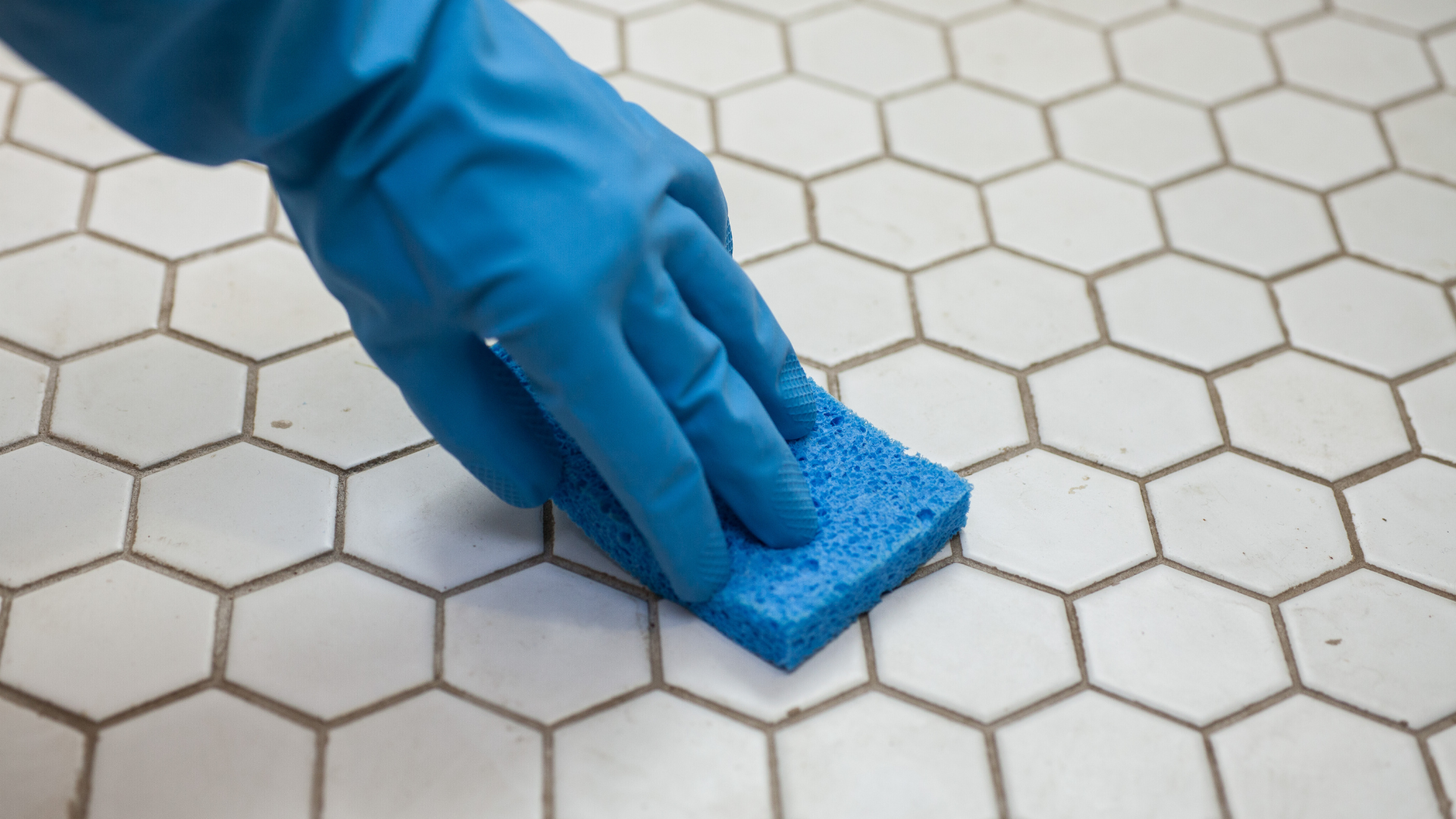
Why Regular Mopping Isn't Enough to Keep Your Tile Floors Looking Clean
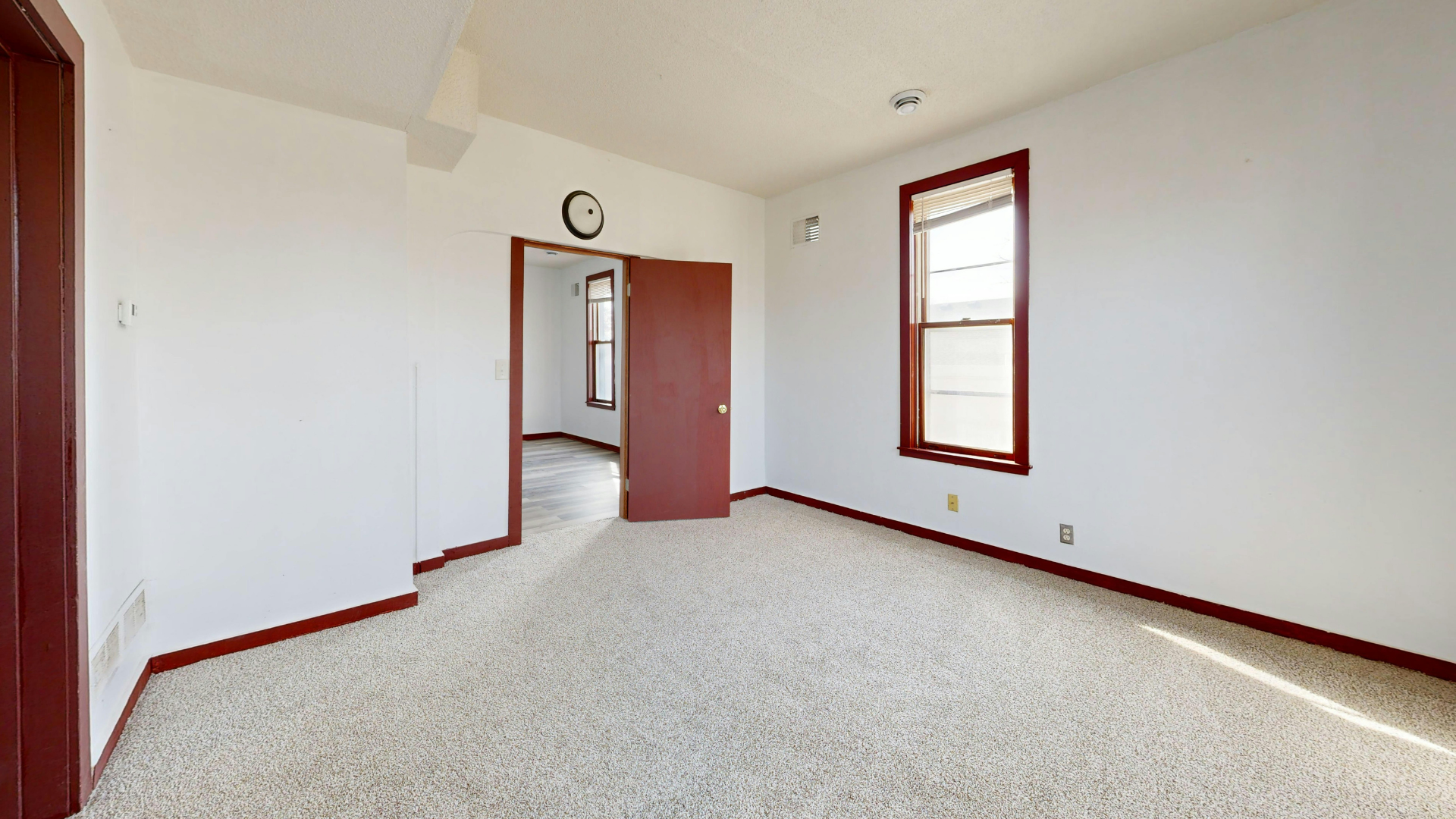
Why Professional Cleaning Is Essential Before the Next Tenant Moves In
